4getmad.com
Understanding the Disadvantages of Dental Crowns: A Comprehensive Guide for Patients
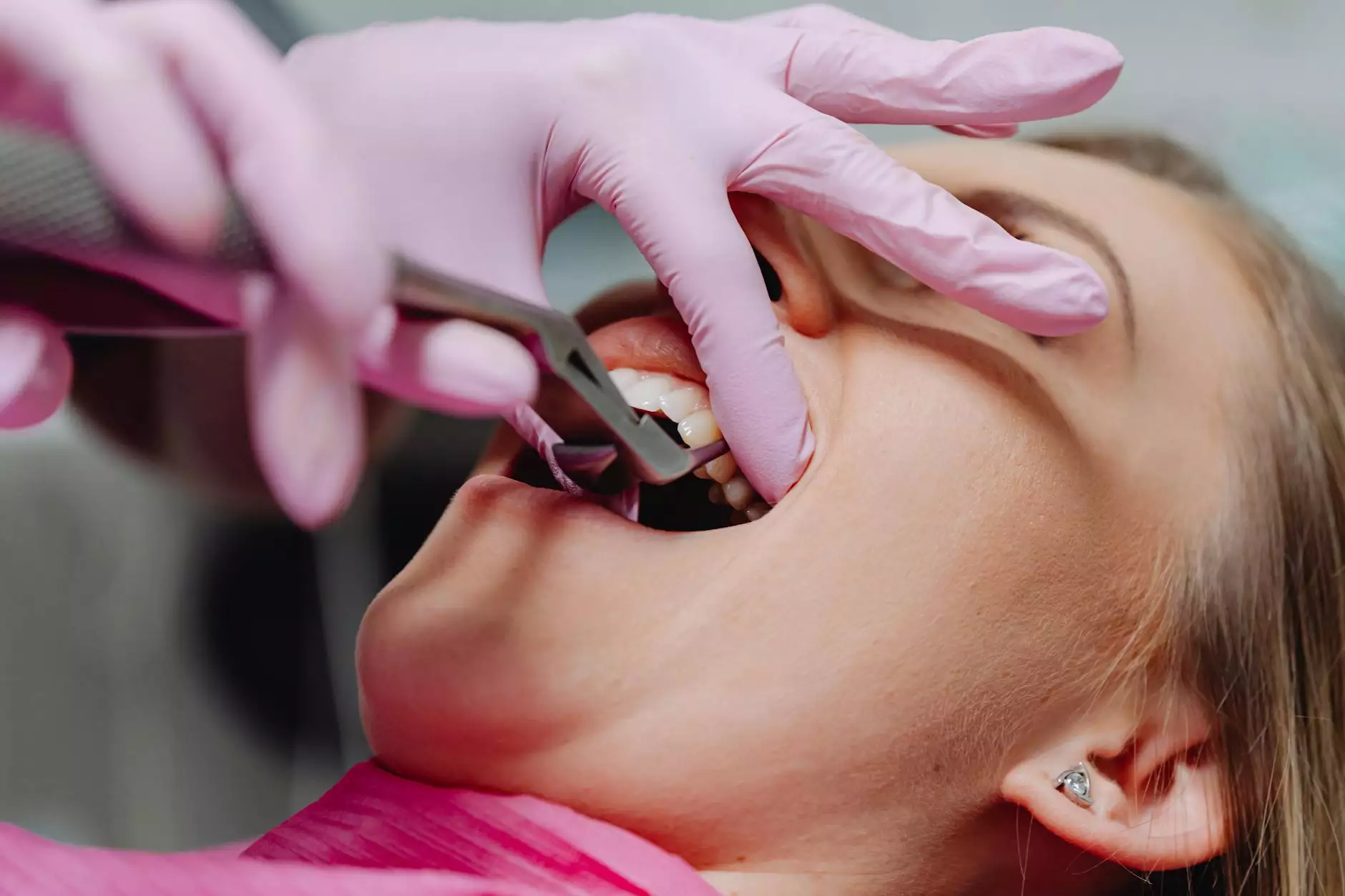
Dental crowns are among the most popular and effective restorative treatments in modern dentistry. They help protect weak or damaged teeth, restore their shape, size, and function, and enhance aesthetic appeal. However, like any medical procedure or dental appliance, dental crowns are not without potential drawbacks. Recognizing the disadvantages of dental crowns is essential for patients to make informed decisions about their oral health care. This guide delves extensively into the various risks, limitations, and considerations associated with dental crowns, ensuring you have a clear understanding before proceeding.
What Are Dental Crowns?
Dental crowns, often referred to as caps, are tooth-shaped coverings custom-made to fit over a damaged or decayed tooth. They serve multiple purposes including strengthening the tooth, restoring its appearance, and improving functionality. Typically crafted from materials such as porcelain, ceramic, metal alloys, or a combination (porcelain-fused-to-metal), crowns are bonded permanently to the underlying tooth structure.
Why Do People Consider Dental Crowns?
- To protect a weak tooth from breaking or holding together parts of a cracked tooth.
- To restore a broken or severely worn down tooth.
- To support a tooth with a large filling when there isn’t much tooth left.
- To cover misshapen or severely discolored teeth for cosmetic improvement.
- To hold a dental bridge in place.
- To cover a dental implant.
Detailed Examination of the Disadvantages of Dental Crowns
1. Potential Tooth Sensitivity Post-Procedure
One common disadvantage of dental crowns is the temporary or sometimes long-term increase in tooth sensitivity. When a tooth is prepared for a crown—meaning part of the natural tooth is removed—it can expose the dentin or nerve endings, leading to heightened sensitivity to hot, cold, sweet, or acidic foods and beverages. While this sensitivity often diminishes with time, some patients may experience prolonged discomfort requiring additional treatment.
2. Risk of Dental Crown Failure and Loosening
Although dental crowns are designed to be durable, they are not indestructible. Over time, they can become loose or debond from the underlying tooth, especially if subjected to excessive biting forces such as grinding or clenching (bruxism). Crown failure may necessitate re-cementation or complete replacement.
- Loosening of the crown can lead to exposure of the underlying tooth, increasing decay risk.
- Chipping or cracking of the crown material can compromise its integrity.
3. Wear and Damage to Adjacent Teeth
Depending on the material used, dental crowns may cause increased wear on opposing natural teeth. For example, porcelain crowns are hard and can gradually wear down the enamel of the opposing tooth, leading to further dental issues. Conversely, metal crowns may occasionally cause wear of adjacent teeth if not properly maintained.
4. Possible Allergic Reactions and Material Sensitivities
Some patients might experience allergic reactions or sensitivities to the metals used in certain crowns, especially those with nickel or other alloys. Although rare, metal allergies can lead to inflammation, irritation, or discomfort, warranting the use of metal-free crowns like porcelain or ceramic options.
5. The Need for Tooth Reduction and Its Consequences
Preparing a tooth for a crown requires significant reduction of the natural tooth structure to create space for the crown material. This procedure is irreversible and may reduce the overall strength of the tooth, especially if the crown later fails or needs removal. Excessive removal of healthy tooth tissue can, in some cases, compromise long-term tooth stability.
6. Cost and Economic Considerations
High-quality dental crowns, particularly those made from porcelain or other aesthetic materials, can be quite expensive. The overall cost includes the preliminary examinations, material, fabrication, and placement procedures. For some patients, the financial burden can be significant, and insurance coverage might be limited, making crowns a costly investment.
- Repeated replacements increase the total expense over time.
- Additional procedures like root canals or treatments for complications add to costs.
7. Possible Need for Replacement Over Time
No dental crown lasts forever. Most crowns have an average lifespan of 10 to 15 years, though some may last longer with proper care. However, factors such as wear, material degradation, or damage can necessitate replacement, prolonging treatment time and costs.
Replacement procedures often involve additional procedures, including re-preparation of the tooth, increasing the complexity and expense of treatment.
8. Impact on Natural Tooth Structure and Long-Term Dental Health
While crowns serve to protect and restore teeth, inappropriate placement or neglect can contribute to problems like tooth decay under the crown margins, gum disease, or periapical infections. Furthermore, removal of tooth structure during crown preparation can weaken the overall tooth, sometimes leading to fracturing or root damage if not precisely executed.
9. Cosmetic and Aesthetic Limitations
While many crowns aim to improve smile appearance, they are not always perfect matches in color, translucency, and shape. Patients with high aesthetic expectations might find limitations in achieving a natural look, especially if the crown material does not match surrounding teeth flawlessly.
10. Complex Procedures and Longer Treatment Timeframe
Getting a crown is not an instant process. It involves multiple steps: initial consultation, tooth preparation, impressions, temporary crowns, laboratory fabrication, and final cementation. This multi-stage process requires patience, and delays or errors can compromise the outcome.
Additional Considerations When Weighing the Disadvantages of Dental Crowns
Before opting for a crown, it’s vital to consider alternative options such as veneers, inlays, onlays, or even dental implants, depending on individual circumstances. Consulting with a qualified dental professional is crucial to evaluate risks and benefits tailored to your oral health profile.
Mitigating the Risks and Making an Informed Decision
Here are some strategies to minimize the disadvantages of dental crowns:
- Choose high-quality materials suited to your needs and budget.
- Maintain excellent oral hygiene through regular brushing, flossing, and professional cleanings.
- Address any underlying habits such as teeth grinding by using night guards.
- Visit your dentist regularly for checkups to monitor the condition of your crown and surrounding tissues.
- Follow your dentist’s instructions for care and maintenance to lengthen the lifespan of your crown.
Conclusion: Are Dental Crowns a Suitable Option?
While dental crowns are an invaluable tool in restorative dentistry with a proven track record of success, understanding their disadvantages of dental crowns helps foster informed consent and realistic expectations. Recognizing potential risks allows patients to work closely with their dental care providers to optimize results and minimize complications. Ultimately, personalized evaluation by a qualified dentist ensures that the benefits of crowns outweigh their drawbacks for each individual.
Consult with Experienced Dental Professionals at wupdoc.com
For tailored advice and professional assessment regarding dental crowns, including alternatives and detailed treatment planning, contact the experienced team at WUPDOC. Our expert dentists specialize in comprehensive Health & Medical services, ensuring you receive the best care possible. Visit us at wupdoc.com and take the first step towards a healthier, more confident smile.


