4getmad.com
How to Buy Return Pallets Directly from Amazon: The Ultimate Guide for Wholesalers and Business Buyers
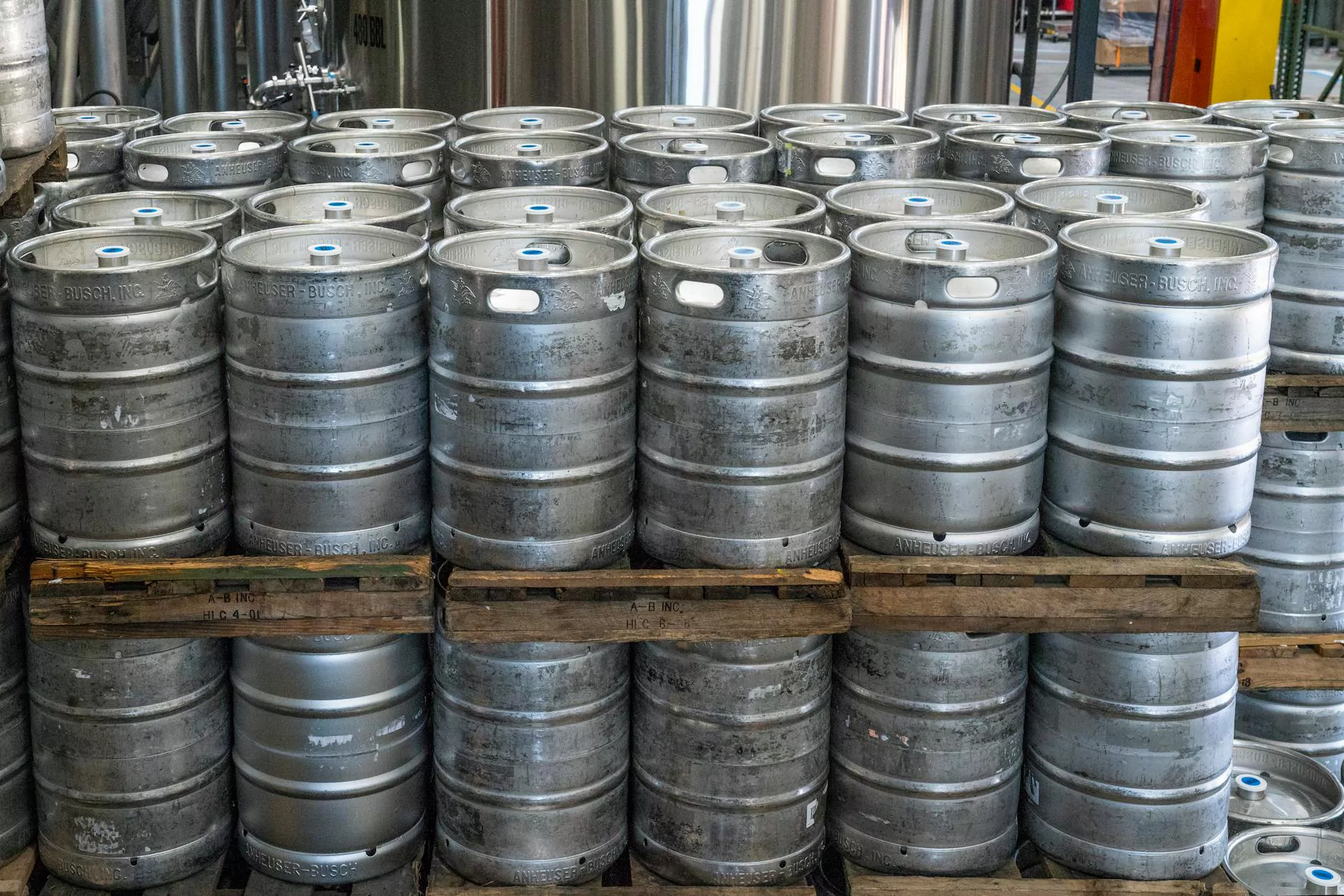
In the dynamic world of commerce, savvy buyers and entrepreneurs are constantly seeking innovative ways to source inventory profitably. One increasingly popular avenue is purchasing return pallets directly from Amazon. This strategy not only offers significant savings but also provides opportunities for lucrative resale through various channels, including online marketplaces, physical stores, or even personal shopping endeavors. Whether you are a seasoned wholesaler or just starting your journey in the resale business, understanding how to navigate Amazon’s return pallet system is essential. In this comprehensive guide, we will delve deep into the intricacies of buying Amazon return pallets, provide actionable tips, and explain why this approach can transform your business.
Understanding Amazon Return Pallets: What They Are and Why They Matter
Amazon return pallets are large quantities of returned, overstocked, or slightly damaged goods that Amazon or third-party sellers clear from their inventory. These pallets typically contain a mix of products across various categories, sourced from customer returns, order cancellations, or overestimated stock. Here are some reasons why buying return pallets from Amazon can be a game-changer:
- Cost-Effective Procurement: Obtain bulk inventory at a fraction of retail prices, often ranging from 20% to 50% of original value.
- Diverse Product Selection: Gain access to a wide array of items, including electronics, apparel, toys, household goods, and more.
- Opportunity for Resale Profit: Capitalize on discounted products by reselling on Amazon, eBay, your website, or local markets.
- Flexibility for Personal or Business Use: Use return pallets for inventory replenishment or for personal shopping and hobby projects.
How to Access Amazon Return Pallets: The Essentials
Gaining access to Amazon return pallets involves navigating various channels, understanding relevant regulations, and establishing reliable sources. Here are key methods to access these pallets:
1. Direct Purchase from Amazon via Bulk Liquidation Platforms
While Amazon itself doesn’t typically sell directly to individual buyers in large quantities, third-party liquidation companies and auction platforms specialize in auctioning return pallets sourced from Amazon. Websites such as Liquidation.com, B-Stock, and DirectLiquidation facilitate this process by auctioning off pallets auctioned from Amazon’s overstock programs.
2. Partnering with Wholesalers and Liquidators
Wholesalers and liquidation experts often purchase pallets in bulk from Amazon and resell them to smaller businesses or resellers. Establishing relationships with reputable wholesalers ensures you receive high-quality products and transparent terms of purchase.
3. Using Personal Shopping and Broker Services
For smaller volume buyers, some services offer personal shopping or pallet brokering, acting as intermediaries between Amazon liquidation warehouses and individual buyers. This is ideal for those new to the industry or testing the waters without large upfront investments.
Key Factors to Consider When Buying Return Pallets from Amazon
Purchasing return pallets requires strategic planning and due diligence. Here’s what you must keep in mind:
- Product Condition: Pallets may contain items in various conditions—new, open-box, refurbished, or damaged. Clarify the condition before purchase.
- Category & Niche: Identify profitable categories such as electronics, home goods, or collectibles. Focus on niches with high resale value.
- Vendor Reputation: Work with reputable liquidation sellers with verified track records to avoid scams or low-quality pallets.
- Pricing & Resale Potential: Evaluate if the discounted price allows for adequate profit margins after accounting for fees, shipping, and refurbishment.
- Legal & Policy Considerations: Ensure compliance with local laws regarding resale and inventory management, and understand Amazon’s policies on reselling returned goods.
Step-by-Step Guide: How to Buy Return Pallets Directly from Amazon
Although Amazon does not typically sell return pallets directly to individual consumers, by utilizing specialized platforms and understanding the process, you can effectively source these pallets. Here’s a detailed step-by-step approach:
Step 1: Research Reliable Liquidation Platforms
Start by exploring auction sites such as Liquidation.com, B-Stock, or DirectLiquidation. These platforms list pallets from Amazon and other major retailers. Review their terms, shipping options, buyer requirements, and past auction performance.
Step 2: Understand Auction Mechanics and Bidding Strategies
Familiarize yourself with how auctions work. Determine your maximum bid based on your budget, potential profit margins, and freight costs. Be patient and strategic in bidding, avoiding overpaying for items that don’t meet your profit criteria.
Step 3: Assess Pallet Contents & Condition Reports
Most platforms provide detailed descriptions and condition reports with photos. Review these thoroughly, and when possible, request additional information or clarifications from sellers before bidding.
Step 4: Place Bids and Win Auctions
When you identify a suitable pallet, place your bid during the auction window. Consider bidding at slightly higher levels if the pallet aligns well with your profit potential to increase your chances of winning.
Step 5: Arrange for Shipping & Inspection
After winning, coordinate shipping with the auction platform. Many of these services offer bundled freight options to reduce costs. Once received, thoroughly inspect the contents for quality, damages, and category suitability.
Step 6: Inventory Management & Reselling
Sort, clean, and refurbish items as needed. Use online marketplaces such as Amazon FBA, eBay, or your eCommerce website to resell the products. Tracking your inventory and sales will help optimize future purchasing decisions.
Maximizing Profitability from Amazon Return Pallets
Buying return pallets is just the start; strategic selling transforms inventory into profit. Here are best practices to maximize your return on investment:
- Product Listing Optimization: Use high-quality images, detailed descriptions, and keywords rich in relevant terms. This increases visibility and conversion rates.
- Pricing Strategies: Research market prices for similar items, and set competitive yet profitable prices. Consider bundling products for higher sales margins.
- Refurbishment & Repair: Invest in minor repairs or cleaning to restore items' appeal and value.
- Market Diversification: List products across multiple channels to reduce dependency on one platform and expand reach.
- Customer Service Excellence: Providing prompt responses and high-quality service encourages positive reviews and repeat business.
Legal and Ethical Considerations When Buying & Selling Return Pallets
Ensuring compliance with legal standards is paramount. Always verify the authenticity of products, avoid counterfeit goods, and adhere to intellectual property rights. Additionally, be transparent with buyers about product conditions, especially with damaged or refurbished items, to foster trust and long-term success.
The Future of Buying Return Pallets: Trends and Opportunities
The landscape of purchasing return pallets is continually evolving with advancements in technology, logistics, and consumer behaviors. Key trends include:
- Increased Automation: Use of AI-driven analytics to identify high-margin pallets and optimize bidding strategies.
- Sustainable Shopping: Growing demand for refurbished and upcycled goods aligns with environmental sustainability initiatives.
- Global Sourcing: Access to international liquidation markets broadens product variety and opportunities.
- Enhanced Transparency: Better condition reporting and buyer reviews enable more informed purchasing decisions.
Conclusion: Unlock the Potential of Amazon Return Pallets for Your Business
Mastering how to buy return pallets directly from Amazon is a strategic pathway to boost your inventory sourcing options, increase profitability, and expand your business enterprise. By leveraging reputable liquidators, conducting meticulous research, and adopting smart selling techniques, you can turn discounted goods into substantial revenue streams. Remember that success in this arena depends on ongoing education, logistical planning, and unwavering commitment to quality and transparency. As the market continues to evolve, so does the opportunity to capitalize on return pallets—unleash their potential today to elevate your business to new heights.