4getmad.com
Unlock the Potential of Pumpkin Cultivation: A Comprehensive Guide for Gardeners
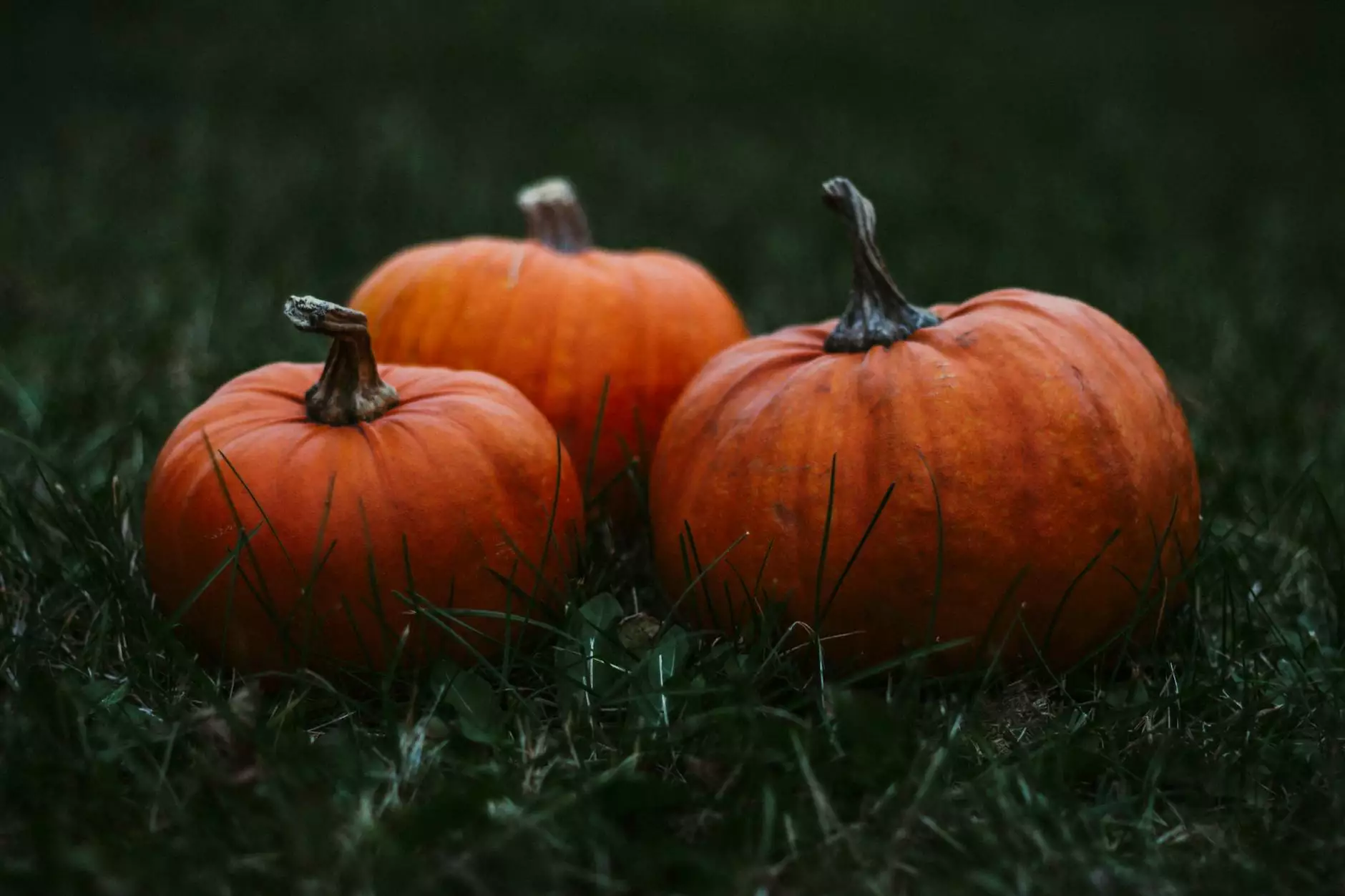
In the world of gardening, few vegetables capture the imagination quite like the pumpkin. With its vibrant colors, versatile uses, and impressive size, the pumpkin has become a perennial favorite among gardeners of all skill levels. Whether you are cultivating for seasonal decoration, culinary delights, or simply the joy of growing something majestic, understanding the nuances of pumpkin cultivation is essential. This comprehensive guide aims to equip gardeners with expert knowledge, practical tips, and in-depth insights to master the art of growing pumpkin successfully.
Why Choosing the Right Pumpkin Varieties Is Crucial for Garden Success
Before embarking on your pumpkin growing journey, selecting the correct variety is paramount. There are hundreds of pumpkin varieties, each with unique characteristics suited to different purposes such as carving, cooking, or ornamental uses.
Popular Pumpkin Varieties for Gardeners
- Jack O’ Lantern: The traditional carving pumpkin, known for its large size and sturdy stem.
- Sugar Pumpkin: Smaller and sweeter, ideal for culinary purposes like pies and soups.
- Porcelain Pumpkin: Noted for its smooth, white skin and attractive appearance, perfect for ornamental use.
- Baby Bear: A miniature variety that is excellent for small gardens and decorative displays.
Choosing the right variety depends on your specific goals, climate, and available space. Consider factors such as growth habit, mature size, and whether you plan to harvest for eating or purely for aesthetic display.
Optimal Growing Conditions for Pumpkin
To guarantee a successful harvest, understanding the ideal growing conditions for pumpkin is essential. These hearty plants thrive when provided with the right environment and care.
Climate and Temperature Requirements
Pumpkin plants flourish in warm weather, preferring temperatures between 20°C to 30°C (68°F to 86°F). They are quite sensitive to frost; therefore, planting should be timed to avoid early or late frosts. In cooler climates, starting seeds indoors and transplanting outside once the weather warms can significantly improve success rates.
Soil Conditions for Optimal Growth
- Soil Type: Well-draining, loamy soil is ideal to prevent waterlogged roots and promote healthy growth.
- pH Level: Slightly acidic to neutral soil with a pH of 6.0 to 7.0 encourages vigorous development.
- Soil Fertility: Rich in organic matter, high in nutrients like nitrogen, phosphorus, and potassium, supports lush foliage and prolific pumpkin production.
Sunlight and Spacing
Pumpkin plants require full sun, with at least 6 hours of direct sunlight daily. Proper spacing—typically 1.2 to 2.4 meters (4 to 8 feet) apart—is vital to allow ample air circulation, reducing disease risk, and providing room for sprawling vines to grow.
Step-by-Step Guide to Growing Pumpkin in Your Garden
1. Planning and Site Preparation
Begin by selecting the perfect spot with ample sunlight, good drainage, and enough space for vine expansion. Before planting, enrich the soil with organic compost and well-rotted manure to boost fertility.
2. Starting Pumpkin Seeds
- Start seeds indoors 2-4 weeks before the last expected frost date or sow directly into the ground after danger of frost has passed.
- Plant seeds 2-3 inches deep into moist, warm soil.
- Maintain soil temperatures of at least 15°C (60°F) to promote germination.
3. Transplanting and Care
When seedlings have developed their first true leaves and outdoor conditions are suitable, transplant them into the prepared site, spacing appropriately. Use mulch to retain soil moisture, suppress weeds, and regulate temperature.
4. Watering and Fertilization
- Provide consistent watering, about 1-2 inches per week, avoiding water stress which can stunt growth.
- Apply a balanced fertilizer rich in phosphorus during planting to support root development.
- Use side-dressing with high-potassium fertilizer when the pumpkin vines start flowering to promote fruit development.
5. Pest and Disease Management
Vigilance is key to protecting your crop. Common pests include squash vine borers, aphids, and cucumber beetles. Diseases like powdery mildew and downy mildew can affect plants but are manageable through good sanitation, crop rotation, and appropriate fungicide use.
Monitoring Growth: Signs of Healthy Pumpkin Plants
- Vigorous, green foliage with minimal yellowing or spots
- Strong, sprawling vines with healthy flowering parts
- Development of large, firm fruit with vibrant color
Harvesting and Utilizing Your Pumpkin
Most pumpkin varieties mature within 80-120 days. Harvest when the rind is hard and the color is fully developed. Cut the fruit with a portion of the vine attached to prolong shelf life and facilitate handling.
Creative Uses and Recipes for Pumpkin
- Homemade pumpkin pies, soups, and stews
- Decorative carvings and ornamental displays
- Healthy snacks like roasted pumpkin seeds
- Natural dyes and crafts
The Economic and Environmental Benefits of Growing Pumpkin
The cultivation of pumpkin offers numerous benefits beyond personal satisfaction. They can be a profitable crop for small-scale farmers and gardeners aiming to sell produce at markets. Additionally, pumpkin plants are environmentally friendly, helping to improve soil health and attract beneficial insects when integrated into sustainable gardening systems.
Innovations and Future Trends in Pumpkin Cultivation
Emerging technological advances such as drone monitoring, organic pest control, and genetically improved varieties are poised to revolutionize pumpkin cultivation. Researchers focus on developing disease-resistant strains, enhancing nutritional value, and increasing yield potential, offering exciting opportunities for progressive gardeners.
Expert Tips for Maximizing Your Pumpkin Harvest
- Rotate your crops annually to prevent soil-borne diseases
- Provide plenty of space for sprawling vines to avoid overcrowding
- Use organic mulch to conserve moisture and suppress weeds
- Monitor regularly for pests and disease symptoms, acting promptly if necessary
- Stay consistent with watering and fertilization schedules
Conclusion: Cultivate Success with Your Pumpkin Garden
Growing pumpkin is an enriching experience that combines horticultural skill with creative expression. With proper planning, attentive care, and expert knowledge, gardeners can enjoy a bountiful harvest that enhances their landscape’s beauty and provides exceptional culinary delights. Remember, every pumpkin cultivated is a testament to your dedication and passion for gardening. Embrace the journey, and watch as your garden transforms into a vibrant oasis of autumnal splendor and flavorful harvests.
For more tips, high-quality seeds, and gardening resources, visit pumpkins.co.uk, your trusted partner in pumpkin gardening excellence.
pumpkin.